
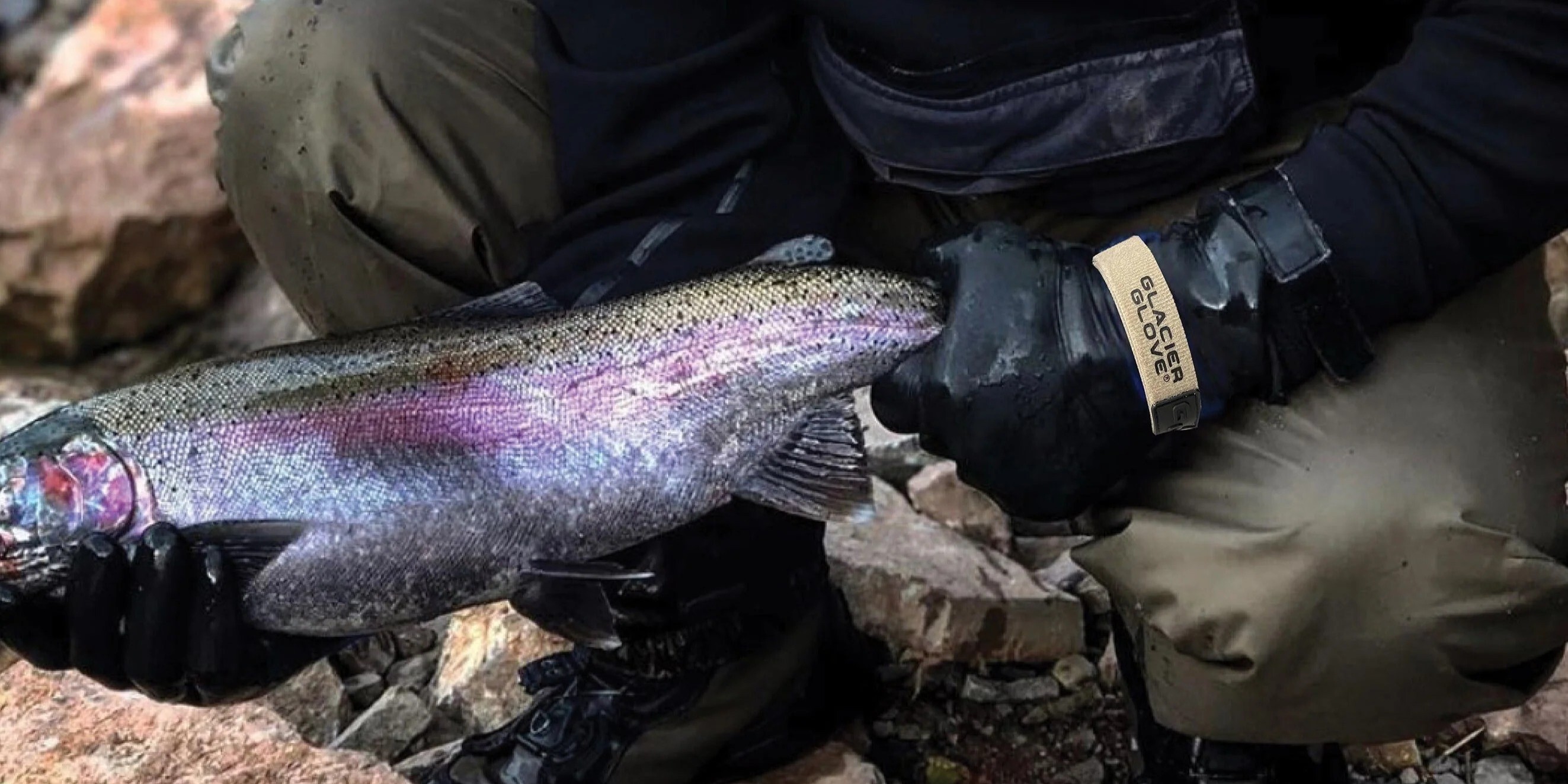
When fishing in cold weather, keeping your hands functional becomes the biggest challenge on the water. Neoprene fishing gloves are designed specifically for these cold, particularly wet fishing conditions, where warmth and grip matter more than full bare-finger dexterity because the time your fingers go totally numb usually means game over.
The Main Benefit of Neoprene Gloves for Fishing
If you have ever tried casting a baitcaster or tying a knot with thick, bulky snow gloves, you know it just doesn't work. On the flip side, exposed fingerless gloves leave your skin completely vulnerable to freezing spray and wind chill.
Neoprene bridges that gap perfectly. It provides the water resistance you need to handle wet fish and gear, while still retaining enough flexibility to feel your line. When your hands inevitably get wet, the material holds that moisture against your skin and warms it up, preventing the deep chill that forces most people to pack up and go home.
Key Features to Look For
Thickness
A standard 3mm neoprene build handles most late-fall and winter conditions nicely. If you face extreme, sub-zero temperatures, you might look toward 5mm options, though you will trade off some finger movement.
Seam construction
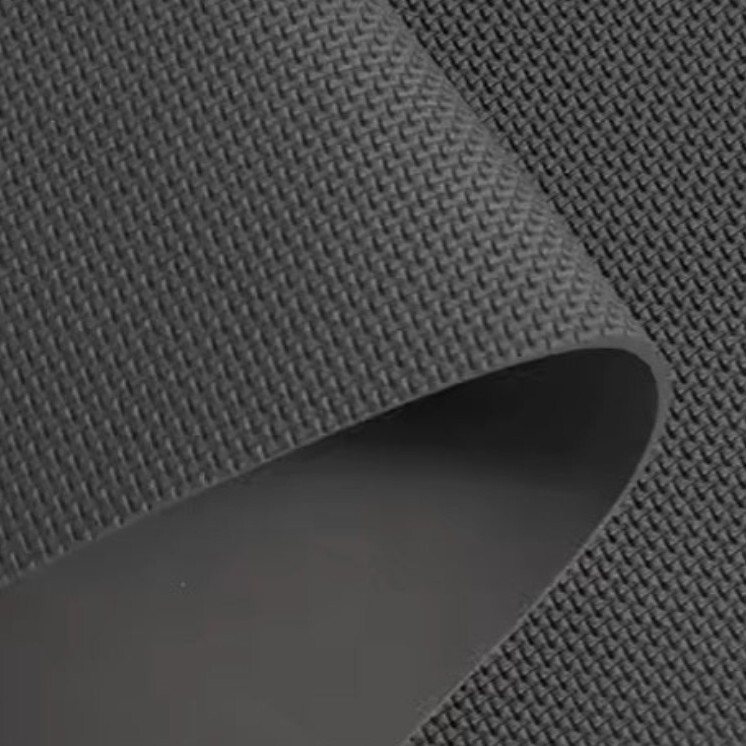
Glued and blind-stitched (or sealed) seams block icy water from leaking through the needle holes. This makes a big difference when you are constantly reaching into the water.
Grip
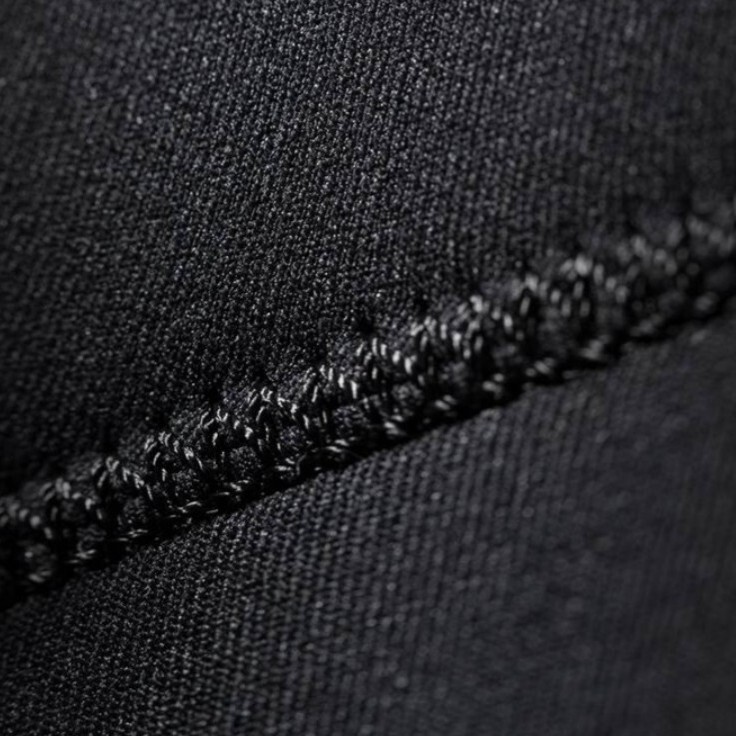
A textured rubber palm grip or silicone pattern ensures your fishing rod won't slip out of your hands when everything is coated in slime and freezing rain.
Lining
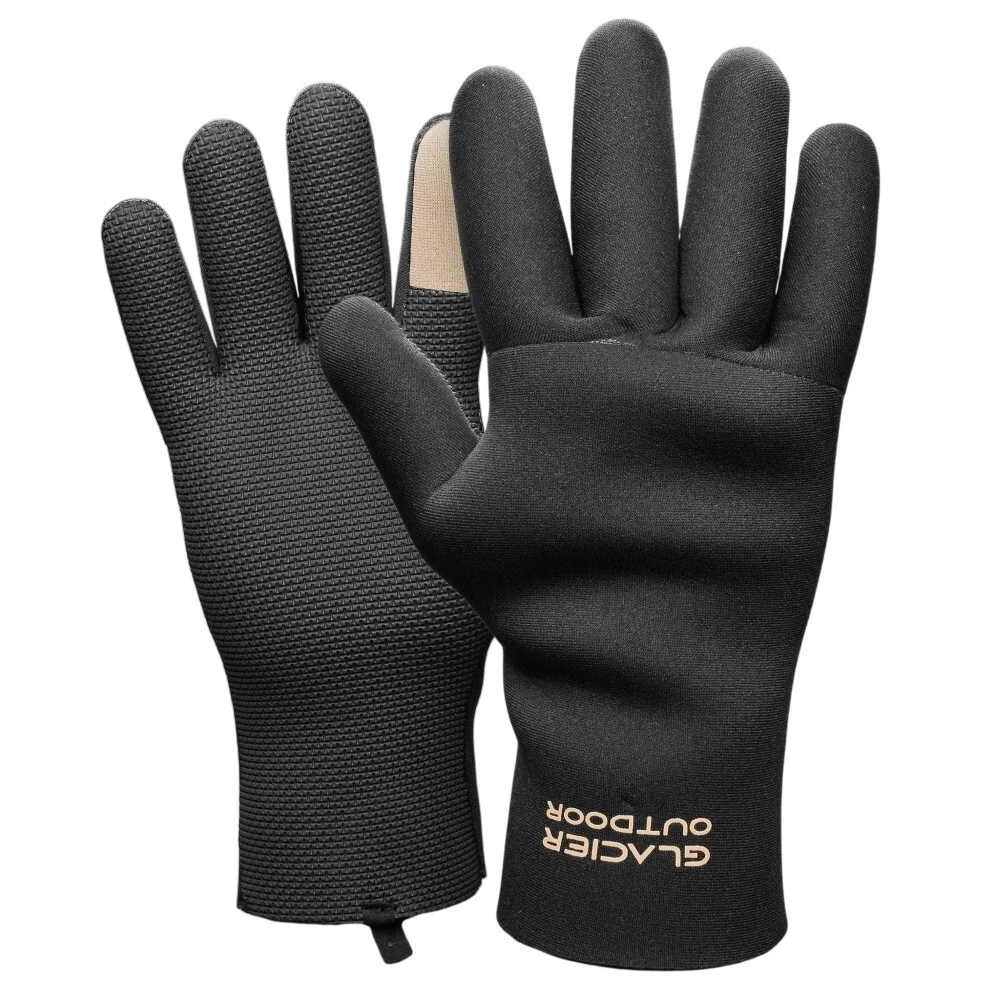
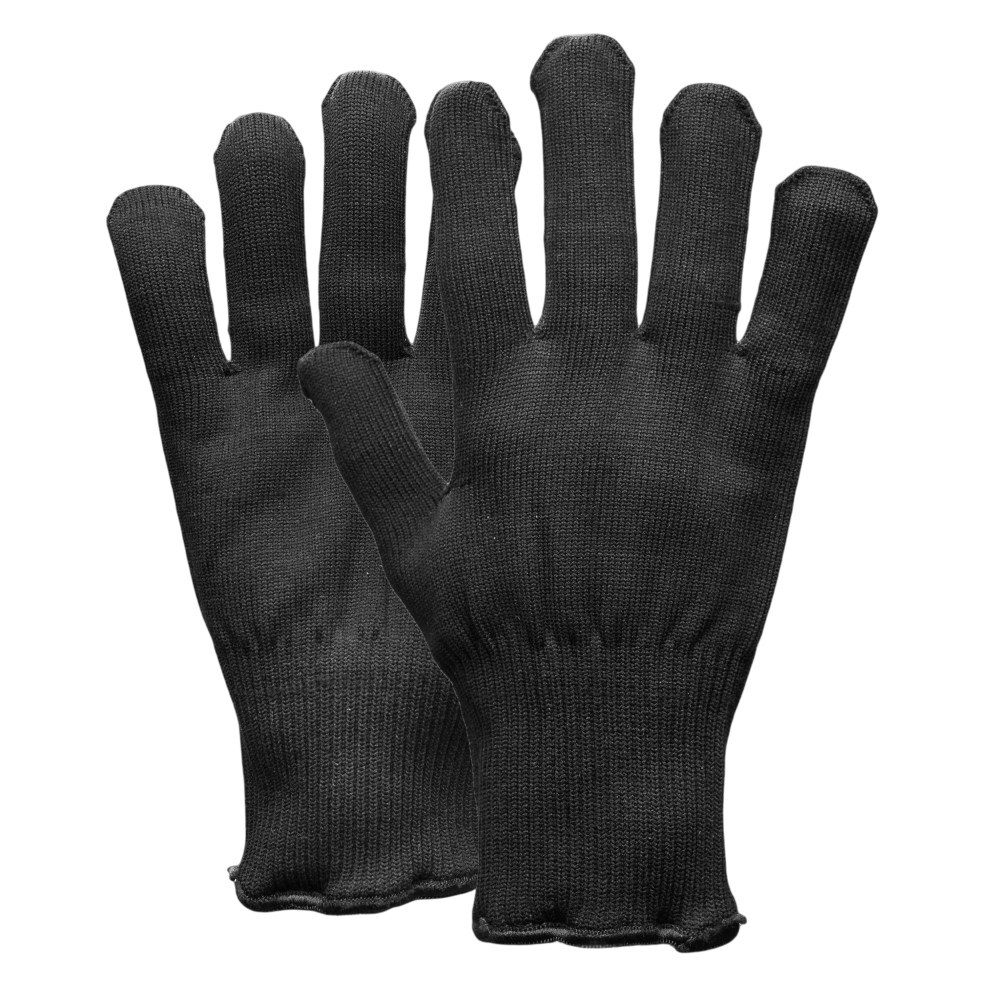
A soft fleece lining adds an extra layer of insulation, holding heat closer to your skin without adding too much bulk.
Convertible fingers
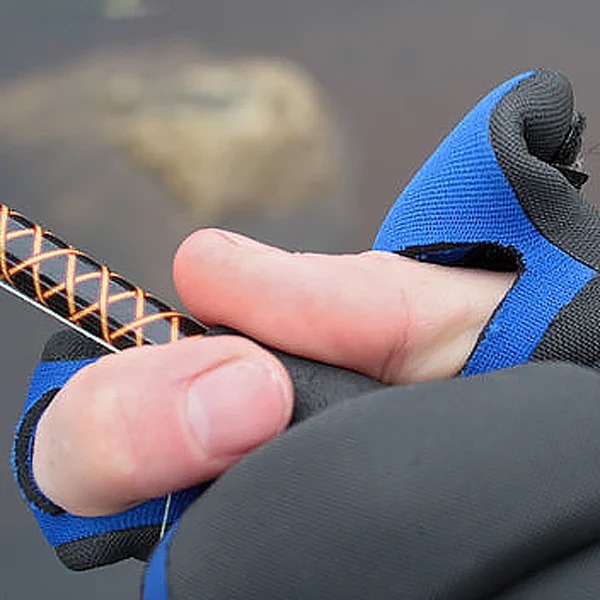
Many modern winter neoprene fishing gloves feature fold-back fingertips (usually on the thumb and index finger). This lets you expose just enough skin to tie knots, change lures, or operate a touchscreen, then cover them right back up.
FAQs
Are neoprene gloves completely waterproof?
The material itself is waterproof. If the gloves have sealed or glued seams, they will keep water out entirely. If they have standard stitching or fold-back fingers, some water will eventually get in, but the neoprene will still trap your body heat to keep your hands warm.
Can I still tie knots while wearing them?
Full-finger models make handling light line tricky. If you change lures often, look for convertible styles with slit fingers or fold-back tips.
Will they damage a fish's slime coat?
Dry gloves can harm a fish. Always dip your hands in the water to thoroughly wet the neoprene before you handle a fish you plan to release.
Do neoprene fishing gloves keep hands warm during winter?
Yes, they act as an insulating barrier. The closed-cell rubber locks warmth inside, helping you endure freezing temperatures.